Water Extraction
Pumps and extractors remove standing water from hard floors, carpet and pad. Taking out as much liquid as possible early shortens drying time and limits how far moisture wicks up the walls.
Call now to speak to a specialist
Call (385) 481-3042A burst pipe job is more than mopping. The restoration company you are connected with handles the water-related work, while the plumbing repair is a separate trade. Here is what the cleanup side generally involves for a Layton home after a winter freeze.
Pumps and extractors remove standing water from hard floors, carpet and pad. Taking out as much liquid as possible early shortens drying time and limits how far moisture wicks up the walls.
Saturated insulation, soaked drywall and swollen baseboards are cut out when they cannot be dried. Drywall is often cut about 12 to 24 inches above the visible water line so wicking is not missed.
Air movers and LGR dehumidifiers run for several days while moisture meters track the wall, ceiling and floor readings. Equipment stays until the materials reach the dry standard, not just until they feel dry.
Daily readings, photos and a drying log record the loss from first visit to final dry reading. That record supports your insurance claim and shows the structure is ready for repair and paint.
Burst Pipe Water Damage in Layton is a type of emergency water loss that happens when a frozen or failed supply line releases clean water into walls, ceilings, floors and cabinets, and it needs structural drying within 24 to 48 hours to prevent mold. A split line under pressure can release several hundred gallons in a single night. Water travels along studs, soaks insulation, and drops through ceilings into the room below. Restoration crews work on the wet materials: they extract standing water, pull saturated drywall and insulation where needed, and run air movers and dehumidifiers until moisture meters read dry.
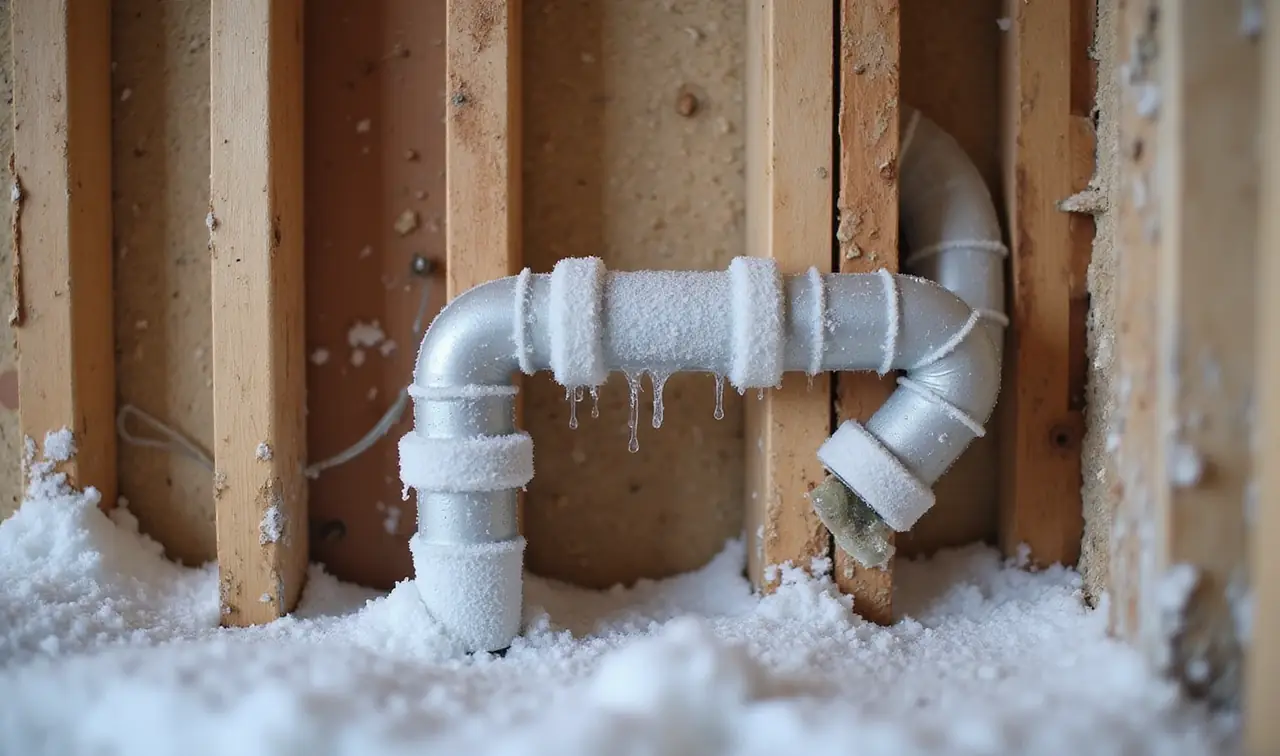
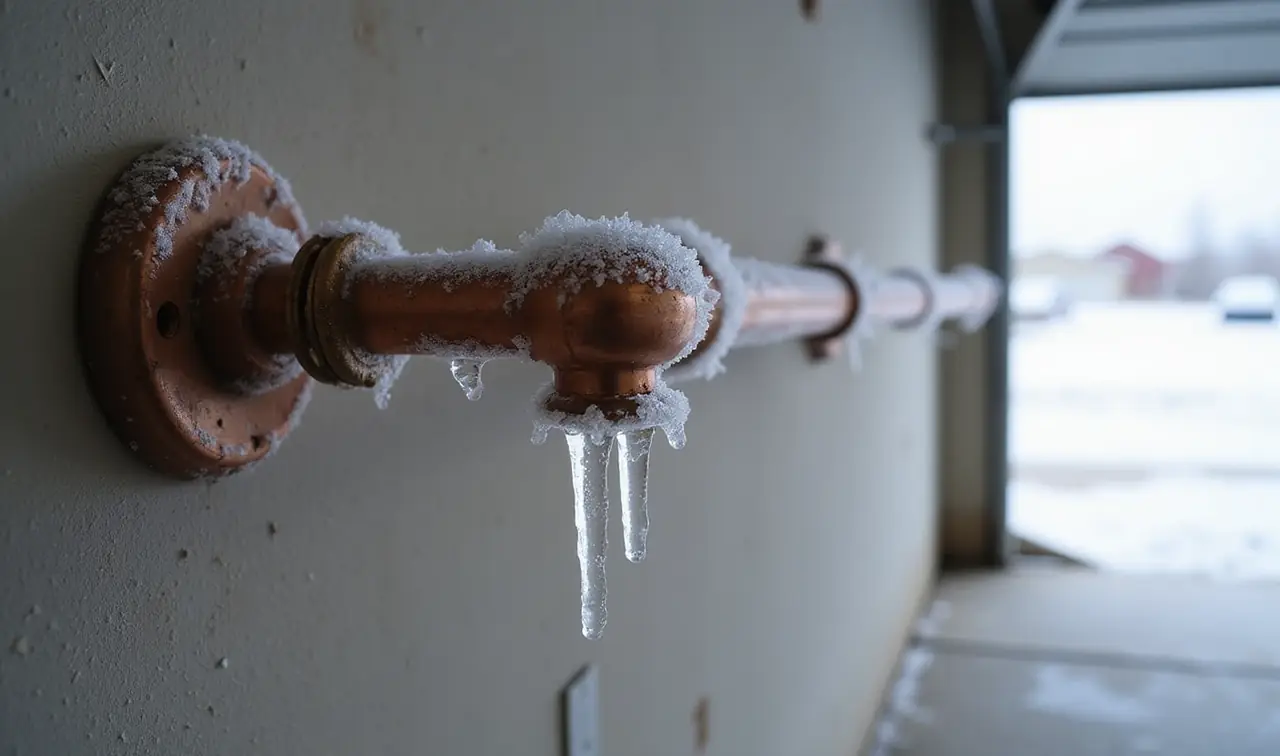
Layton homes face this problem every winter. Overnight lows in Davis County regularly fall well below 32 degrees Fahrenheit, and a pipe in an exterior wall, an unheated crawl space, or a garage ceiling can freeze solid and split along its length. The split often stays hidden until the pipe thaws and the water starts to flow. That is why burst pipe water damage cleanup in Layton is often discovered as a stain or a drip, not a spray. A plumber repairs the pipe itself. The restoration side deals with everything the water touched.
The order of events matters more than speed alone. Stopping the water, making the house safe, and then drying correctly keeps the loss small. Here is the sequence most burst pipe jobs follow once you call and are connected with a local crew.
Call
Call (385) 481-3042 and say what happened, where you are and whether the water has stopped.
Get connected
We connect you with an independent local restoration company that serves your area.
The work
The company you are connected with inspects, explains scope and timing, and does the work with you directly.
Keep records
Ask the company for moisture readings and photos so you have a record for your insurer.
Pin and pinless moisture meters
Measure moisture inside drywall, wood framing, and subfloor so crews know what is wet beyond what the eye can see, and record readings each day.
Thermal imaging camera
Shows temperature differences behind walls and ceilings, which helps trace the path water took from a split pipe before any drywall is cut.
LGR dehumidifiers
Low grain refrigerant units pull moisture out of the air faster than standard dehumidifiers, which matters in the cooler, drier indoor air of a Utah winter.
Axial and centrifugal air movers
Push dry air across floors and wall surfaces, and through cavities, so water leaves materials and gets captured by the dehumidifiers.
IICRC S500 water damage standard
The S500 is the industry reference for classifying water by category and class, setting drying goals, and documenting progress. It is general industry information that guides how professional water damage work is organized.
Controlled demolition
Only materials that cannot be dried, such as soaked insulation or swollen drywall, are removed. Cutting at measured heights above the water line limits tear-out and keeps rebuild costs down.
Daily drying checks
Moisture readings are taken in the same spots each day. Equipment is moved or removed based on the data, so drying stops when materials are dry, not on a calendar guess.
01
What we do: Shut off the main valve and call (385) 481-3042. The connected crew extracts standing water, checks the ceiling cavity with a moisture meter, and removes only the drywall and insulation that cannot be saved.
→ The leak stays limited to one ceiling and one room below, and drying equipment can be removed in about three to five days.
02
What we do: The crew extracts pooled water, removes wet carpet and the bottom strip of drywall, and runs LGR dehumidifiers in the closed basement. Moisture readings are checked daily until framing and concrete read dry.
→ Stored items are sorted into dry and wet piles, and the basement is ready for rebuild without lingering musty smell.
03
What we do: Restoration crews open the shared wall at the base, extract water, and dry the wall cavity and floor. A plumber replaces the split section and adds pipe insulation before the wall is closed back up.
→ The wall is closed with dry framing and the line is protected from the next hard freeze.
Layton sits between the Wasatch Front foothills and the Great Salt Lake flats, and its winters bring hard freezes that test every exposed pipe. Burst pipe water damage cleanup in Layton often involves older 1970s to 1990s homes in central Layton, where supply lines run through exterior walls, garages and unheated crawl spaces. Newer subdivisions on the west side and in East Layton tend to use PEX, which resists splitting better but can still fail at fittings. Many homes have basements, so water from an upper-floor split commonly travels down to the lowest level. Dry winter indoor air helps drying, but a closed-up house with the furnace off after a break needs heat restored so equipment can work. Wind events off the canyons can also push cold air into vented crawl spaces, which is when exposed lines freeze fastest. A frozen pipe water damage job here usually ends with the plumber insulating the exposed run and the homeowner leaving cabinet doors open on cold nights.
East Layton
Foothill homes feel colder overnight and winds off the canyons raise freeze risk for exposed lines on north and east walls.
Central Layton near Layton Commons Park
Many 1970s to 1990s homes here have copper lines in exterior walls and finished basements where leak water often ends up.
Near Hill Air Force Base
Rental homes and military housing sometimes sit vacant over winter, which lets a frozen line run unnoticed for days.
Hard overnight freezes during Davis County winters
Temperatures well below 32 degrees Fahrenheit freeze water in exposed pipes, which split once the ice thaws and pressure returns. Most burst calls cluster right after a cold snap.
Basements under many Layton homes
Water from an upstairs break tends to travel down into the basement, so extraction and drying often cover two or three levels instead of one room.
The damage from a split line is rarely just the puddle you can see. These are the problems Layton homeowners run into most after a hard freeze, and how proper restoration work handles each one.
Problem
Hidden water keeps soaking insulation and drywall, and mold can start in 24 to 48 hours. A stain on the ceiling often means the cavity above is already full.
Our Fix
Restoration crews use moisture meters and thermal cameras to trace water behind finished surfaces. They open the wall only where readings show wet material, then dry the cavity with air movers so repairs stay as small as possible.
Problem
Wet drywall ceilings can collapse, and wet insulation loses its value. Water can also reach light fixtures and wiring, which makes the room unsafe.
Our Fix
Crews relieve trapped water by puncturing the sag in a controlled way, then remove the wet drywall and insulation. The framing is dried before new drywall goes up, which prevents hidden mold overhead.
Problem
Pad holds water for days and can trap moisture against the subfloor. Left alone, it can lead to odor, buckled flooring, and mold under the carpet.
Our Fix
The crew extracts water, lifts the carpet, and typically discards the pad. Clean-water carpet can often be dried and reinstalled, while the subfloor is dried with air movers and checked by meter.
Water from a split pipe is clean when it leaves the line, and that gives you a short window to save most of the building materials. The sooner the structure is dried, the less of it has to be torn out. These are the practical results a proper drying job aims for after a freeze.
Saves Drywall and Flooring
Clean supply-line water caught early often lets crews dry drywall and subfloor in place instead of replacing them. Pulling wet baseboards and drilling small weep holes lets air reach the wall cavity, which can keep a one-room leak from becoming a full gut.
Heads Off Mold Growth
Mold can begin growing on wet drywall paper and framing within 24 to 48 hours. Drying the cavity to the standard moisture reading for your materials takes away what mold needs, which is why the first two days after a freeze matter so much.
Protects Rooms Below
A split line on the second floor can send water through the ceiling into the kitchen or living room. Extracting standing water and drying ceiling cavities early limits staining, insulation sag, and electrical fixture exposure in the rooms underneath.
Documents the Loss
Moisture readings, photos, and drying logs from the restoration crew give your insurance adjuster a clear record of what was wet and when it was dry. Homeowners who keep that paperwork usually have a smoother claim conversation.
Cost for burst pipe water damage cleanup in Layton depends on how much water spread, how long it sat, and how many materials need to be removed. We do not quote numbers on this page because every loss is different. The restoration company you are connected with prices the job after seeing the wet areas and taking moisture readings. These are the factors that move a job up or down.
What changes the price
Square footage affected
More wet floor and wall area means more extraction time, more air movers, and more dehumidifier capacity. A single room costs far less than a leak that reaches the basement.
Water category and age
Clean supply-line water caught quickly is the simplest case. Water that has sat for days, or mixed with a drain line, can change category and require more removal.
Materials involved
Carpet over pad, hardwood, tile and drywall dry differently. Hardwood and engineered flooring often need longer drying and sometimes replacement.
Drying days
Equipment is typically in the home for three to five days. Heavily wet walls or insulation can extend that, which adds to the total.
Mold present
If mold has already started, a separate mold remediation scope is needed. Calling soon after the break is the surest way to keep that out of the picture.
The way restoration crews handle a burst pipe follows an industry standard, not guesswork. The IICRC S500 standard is the accepted reference for professional water damage work, and it sorts water by contamination category and materials by how much moisture they hold. Clean supply-line water is generally Category 1 at the start, though it can change if it sits. Knowing that framework helps you understand what the crew you are connected with is measuring and why.
Real answers to the questions we hear most often from local homeowners and property managers.
Once a pipe splits, standing water on floors and carpet has to be pumped out before drying starts. Extraction is the first physical step on most Layton burst pipe jobs and sets the pace for everything after it.
View Water ExtractionWhen a main line breaks or a pipe runs all night, the loss can reach several rooms. Flood cleanup covers the larger spread, including soaked carpet, baseboards, and furniture that needs to be moved or removed.
View Flood CleanupIf a frozen pipe leak went unnoticed behind a wall for a few days, mold may already be growing. Mold remediation addresses what grew and what caused it, once the moisture source is fixed.
View Mold RemediationWater from a split line on an upper floor often ends up in the basement, which is common in Layton homes. Basement flood cleanup deals with the pooled water, wet drywall and stored belongings below.
View Basement Flood CleanupA pipe that bursts at night or on a holiday is an emergency water loss. This service page covers the broader first-response steps that apply to any sudden water event, not only frozen pipes.
View Emergency Water DamageMany freeze breaks happen in unheated crawl spaces, where pipes sit exposed. Water collects under the floor, so crawl space water removal and drying often go hand in hand with the pipe repair.
View Crawl Space Water RemovalThe fastest way to reach us is by phone. Call (385) 481-3042, describe the water problem, and we connect you with an independent local restoration company serving Layton, Utah and nearby Davis County towns. Water Cleanup Layton is a referral line, so there is no email or walk-in office.
No forms to fill in. Call (385) 481-3042, tell us what happened and where the water is, and we connect you with an independent local restoration company serving Layton and nearby towns.
Call (385) 481-3042