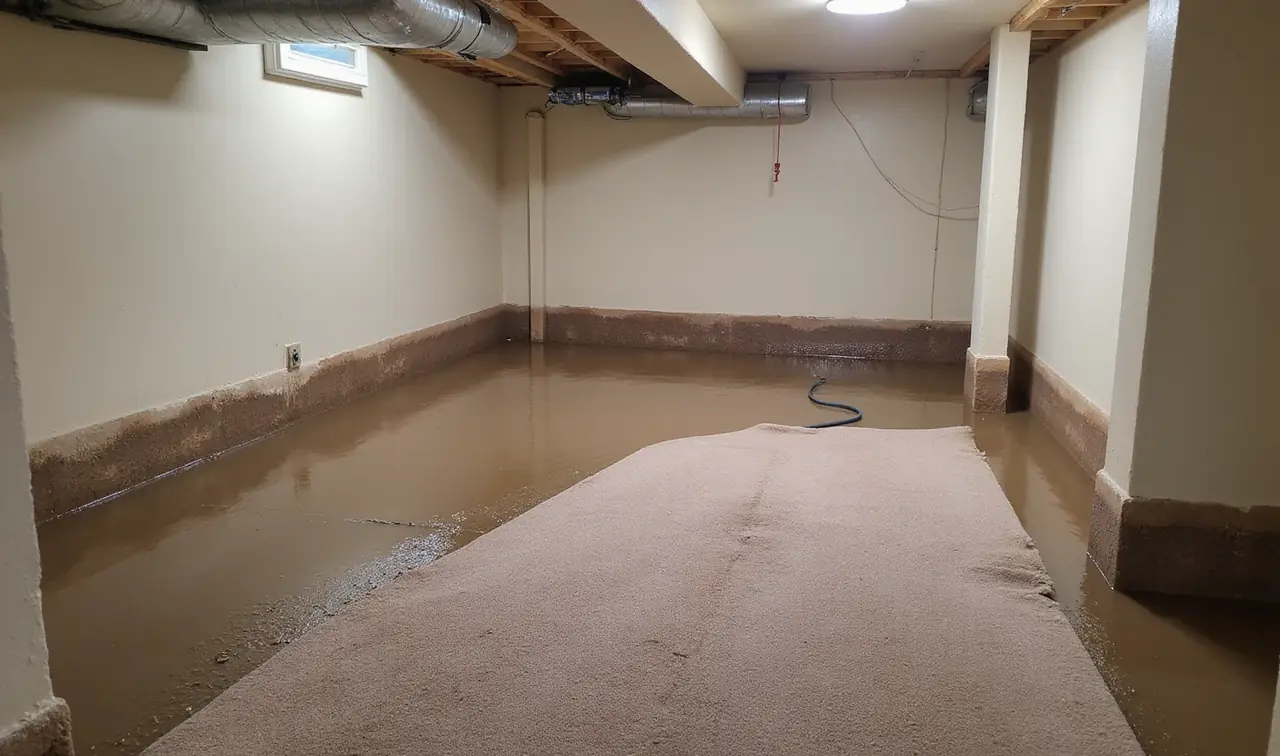
Debris and contents sorting
Ruined materials are bagged and hauled, while belongings are sorted into keep, clean and discard piles. Photos are taken of each category to support an insurance claim.
Call now to speak to a specialist
Call (385) 481-3042Flood cleanup typically starts after water is stopped and standing water is removed. It covers the demolition, cleaning and drying that follow, while rebuilding such as new drywall, paint and flooring is generally a separate phase after the structure has dried.
Ruined materials are bagged and hauled, while belongings are sorted into keep, clean and discard piles. Photos are taken of each category to support an insurance claim.
Soaked carpet, pad, insulation and wet drywall are cut out, usually 2 to 4 feet up the wall, depending on how far water wicked, so the framing can be reached.
Hard surfaces and framing are cleaned and treated with an antimicrobial. HEPA vacuums capture fine dust after demolition so it is not spread through the house.
Air movers and dehumidifiers run for roughly 3 to 5 days, with daily moisture readings recorded until the house reaches dry standards.
Air scrubbers and deodorizing treatments handle musty or sewage smells once the source materials are gone, which is a step that comes after, not instead of, removal.
Flood Cleanup in Layton is the restoration process that removes floodwater residue, damaged materials and contaminants from a home after water has covered floors across several rooms or an entire level. It goes well beyond pumping. A restoration crew sorts what is salvageable from what is not, bags and hauls debris, cuts drywall above the water line, cleans with antimicrobial products and then dries the framing. Floodwater is often gray or black water under IICRC S500, so protective gear and disposal rules apply.
In Layton, whole-house flooding in winter usually starts with a frozen main supply line or a failed water heater, and in spring with snowmelt that pushes groundwater into basements and window wells. Flooded house cleanup in Layton also follows summer cloudbursts that overload storm drains near the I-15 and US-89 corridors. A busted line on the main floor can drop water into the level below, so one pipe becomes two floors of cleanup.
Every flood is different, but cleanup tends to follow the same order. Call (385) 481-3042 and we connect you with a local restoration company. This is the sequence you can expect once they are in your home.
Call
Call (385) 481-3042 and say what happened, where you are and whether the water has stopped.
Get connected
We connect you with an independent local restoration company that serves your area.
The work
The company you are connected with inspects, explains scope and timing, and does the work with you directly.
Keep records
Ask the company for moisture readings and photos so you have a record for your insurer.
Submersible pumps and wet vacuums
Remove standing water first so debris removal and cleaning can begin without crews working through inches of water.
HEPA vacuums and air scrubbers
Capture fine dust and particles during and after demolition, keeping them from spreading into clean rooms.
Antimicrobial treatments
Applied to cleaned framing and hard surfaces to limit bacteria and mold growth after floodwater contact.
Air movers and low grain refrigerant dehumidifiers
Move air across wet surfaces and pull vapor out of the room, drying wall cavities and floors over a few days.
Moisture meters and thermal cameras
Locate hidden wet areas and confirm that materials have returned to dry readings before equipment is removed.
Water category classification
Under IICRC S500, the source of the water decides how it is handled. Outdoor floodwater is treated as Category 3, which means porous materials are removed and surfaces disinfected.
Selective demolition
Only materials that cannot be dried or cleaned are removed. Cutting drywall at measured heights, not guessed ones, keeps the rebuild smaller.
Dry standard verification
A dry reference reading is taken from unaffected materials in the same house, and wet areas are dried until they match it.
01
What we do: The restoration company pumps the floor, removes ruined carpet and drywall, sanitizes where needed and sets drying equipment on both levels.
→ The house is stripped to dry framing in days, and the rebuild starts on a clean, documented base.
02
What we do: Crews pump the room, discard wet carpet and pad, cut the bottom of drywall and dry the framing with dehumidifiers.
→ The basement is dried and sanitized, and the homeowner knows what the drywall and flooring rebuild will involve.
03
What we do: The crew extracts water, lifts carpet, checks walls with a moisture meter and writes up a clear list of affected rooms.
→ The tenant and landlord both have documentation, and drying is completed without a long wait.
Flood cleanup in Layton is shaped by weather and terrain. With November here, freeze season is the first concern: pipes in exterior walls, garages and crawl spaces split in hard freezes, and a split line can flood a main floor and drop water into the level below. Central Layton has many homes from the 1970s to the 1990s, where finished basements sit under main-floor supply lines. Newer west-side subdivisions have sealed foundations, but flooding still happens through failed sump pumps and appliance leaks. Spring snowmelt off the foothills and Kays Creek raises groundwater, so East Layton and low spots near the creek see seepage. Heavy summer storms can overwhelm drains along the I-15 and US-89 corridors. A restoration pro working here keeps the building heated during winter jobs, because drying equipment struggles in cold air. Flood damage cleanup in Layton also means handling a lot of debris, so crews plan for hauling and disposal before they begin.
East Layton
Foothill benches and window wells let snowmelt reach finished basements, and flood cleanup here often involves groundwater.
Central Layton near Layton Hills Mall
Older homes with finished basements often flood across two levels when an upstairs line splits.
Area around Davis Hospital
Mixed housing of older and newer homes, where burst lines and appliance failures drive most flood calls.
Homes near Hill Air Force Base
Many rentals and military households, so cleanup records help tenants, landlords and insurers.
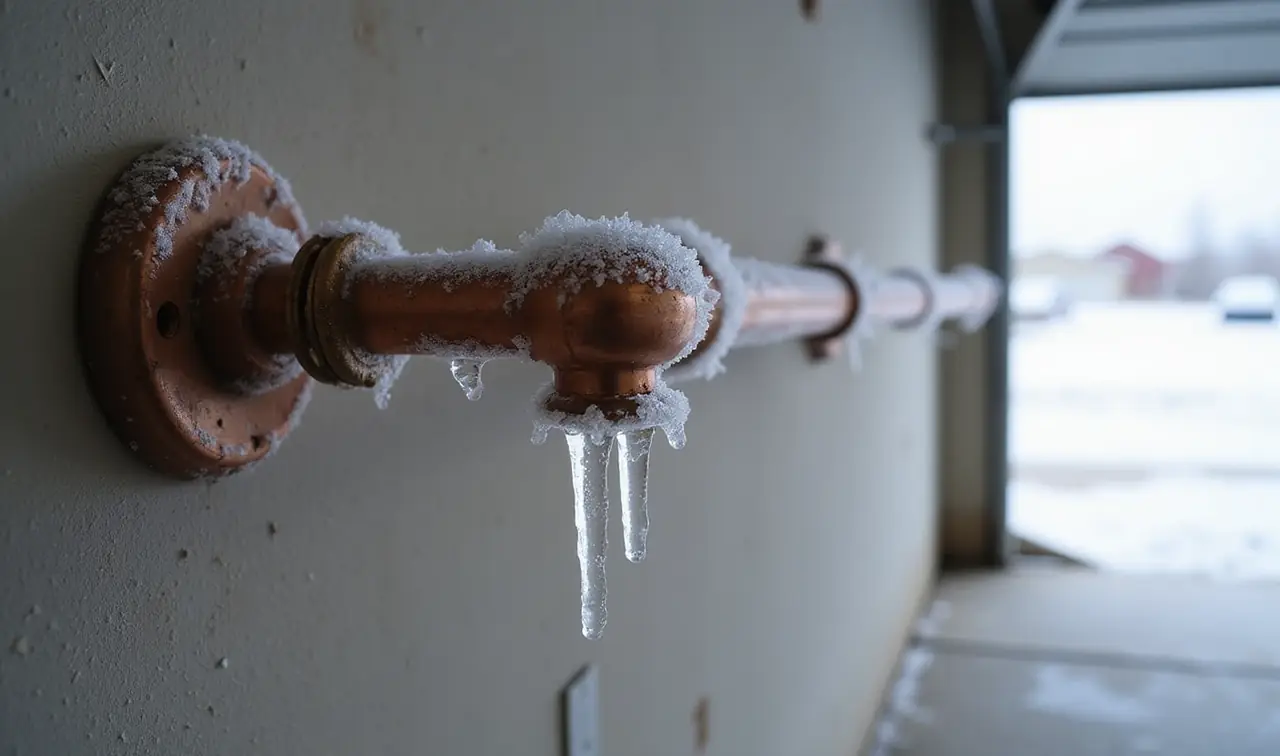
Hard freezes break lines in exterior walls and garages
Water may run for hours before it is noticed, and flooding often hits multiple rooms and floors. Winter cleanup needs a heated structure so equipment can dry.
Spring snowmelt and storm runoff raise groundwater
Groundwater brings soil and bacteria, so basement floods are often treated as contaminated water and need removal and sanitizing.
Flooded homes in Layton tend to share a few problems. Some come from freezing weather, some from spring runoff and some from appliance failures. Each one gets worse if cleanup waits, and each has a standard fix.
Problem
Water travels down through ceilings and walls, soaking insulation and drywall on the lower floor and raising the chance of mold in cavities nobody can see.
Our Fix
The restoration crew removes standing water, opens the ceiling and wall areas that are wet, removes saturated insulation and dries the framing until readings are normal.
Problem
Groundwater carries soil and bacteria, and it soaks carpet and walls. Left wet, smells grow and mold can show up within 24 to 48 hours.
Our Fix
Carpet and pad are removed, floors and walls are cleaned and sanitized, and dehumidifiers run until the structure is dry. The smell is addressed by removing its cause.
Problem
Category 3 water is unsafe to touch, and porous materials cannot be cleaned. Contact with skin or lingering residue creates health risks for the household.
Our Fix
Crews wear protective gear, remove affected materials, disinfect the structure and use HEPA air filtration to keep the cleanup contained to the work zone.
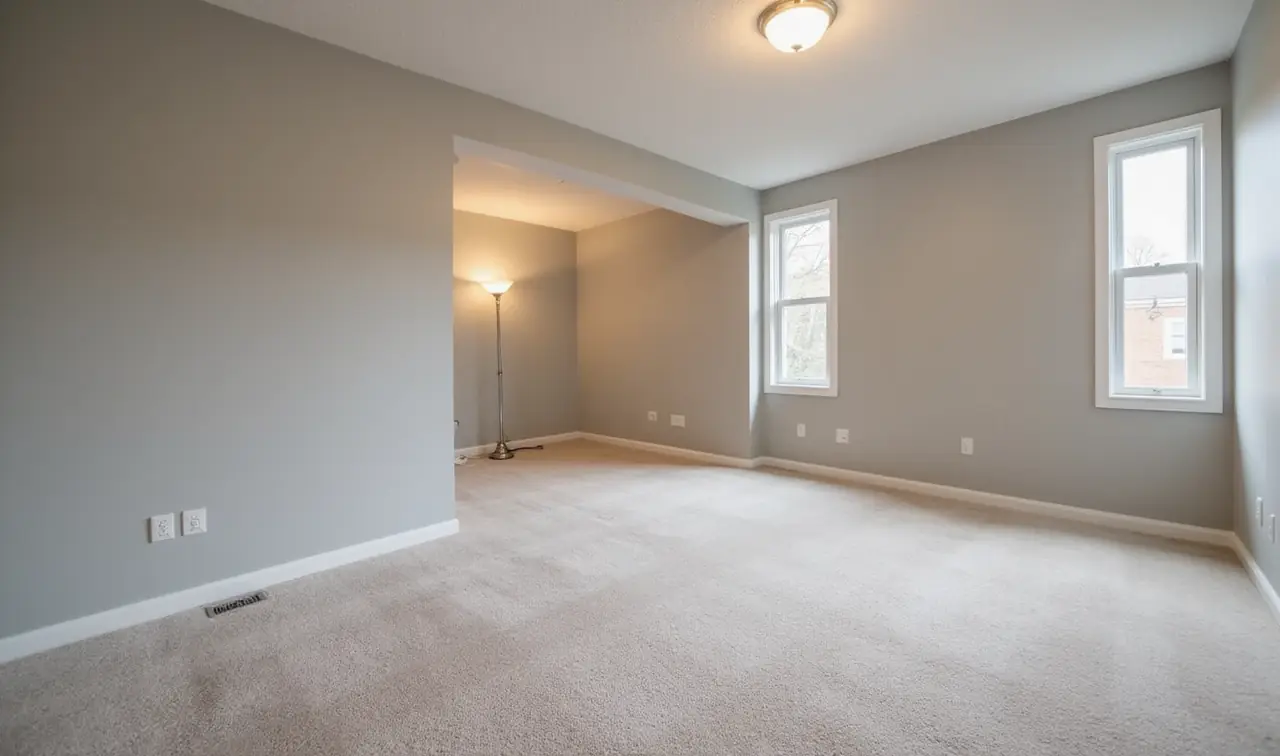
A flood leaves more than wet floors. It leaves bacteria, saturated insulation, swollen cabinets and a smell that does not go away by itself. Thorough cleanup deals with each of these in order, so the house is dry, sanitary and ready to rebuild.
Contaminants removed, not covered
Floodwater can carry bacteria from drains, soil and outdoor runoff. Cleanup uses detergent washing followed by antimicrobial application on framing and hard surfaces, and discards porous materials that cannot be cleaned, such as soaked carpet pad and insulation.
Smaller rebuild
Careful sorting can save cabinets, solid wood furniture and sealed flooring that a rushed cleanup would throw out. Cutting drywall at 2 feet instead of 4 feet when readings allow keeps the rebuild smaller.
Dry framing, not hidden damp
Wall cavities stay wet long after floors look dry. Opening them and running air movers and dehumidifiers for roughly 3 to 5 days brings studs and sill plates back to dry readings before anything is closed up.
Clear paperwork trail
Photos, moisture logs and itemized debris lists make an insurance claim easier to document. A restoration pro records the water category, affected rooms and materials removed, which helps whoever reviews your claim.
Flood cleanup cost in Layton depends on how many rooms were wet, what kind of water it was and how long it sat. Exact numbers come from the restoration company after they see the home, and no single figure fits every flood. These are the factors that move the total, in 2026 and any other year, so you can ask sharper questions on the call.
What changes the price
Area and number of rooms
A single flooded room is a small job, while a whole level or two floors needs more labor, more debris hauling and more drying equipment.
Water category
Floodwater and sewage need protective gear, disposal of porous materials and disinfecting. Clean supply line water costs less to handle than contaminated water.
Materials removed
Carpet and pad are inexpensive to remove, while cabinets, hardwood and plaster take more time. More removal means a larger rebuild afterward.
Drying time
Equipment typically runs 3 to 5 days, but dense materials, cold conditions or hidden wet cavities extend that, and every day adds equipment use.
Hidden moisture
Moisture behind walls and under floors may only show up with meters and cameras, and finding it early can prevent mold remediation later.
Flood cleanup follows published industry standards, and knowing them helps you judge what you are being told. The IICRC S500 standard covers water damage restoration, including water categories and drying goals, and S520 covers mold. Restoration crews also follow OSHA rules for protective equipment on contaminated jobs. These standards give the work a measurable endpoint, which matters when a claim or a rebuild depends on proof the structure is dry and clean.
Real answers to the questions we hear most often from local homeowners and property managers.
Extraction is the first stage of every flood job. Pumps and vacuums remove standing water so debris removal and sanitizing can start, and the amount removed shapes how much drying follows.
View Water ExtractionFloods that sit for more than 48 hours can leave mold in drywall and trim. Remediation uses containment and HEPA filtration to remove it and is easier to avoid with prompt cleanup.
View Mold RemediationBelow-grade floods add groundwater, sump pumps and window wells to the picture. Basement cleanup uses the same sanitizing steps with pumps suited to depth.
View Basement Flood CleanupBefore cleanup begins, the first hour of safety steps matters. Emergency water damage covers shutting off water and power and what to photograph before cleanup starts.
View Emergency Water DamageWinter freezes are the main trigger for whole-house floods in Layton. A burst pipe in an upstairs wall can send water through two floors before it is found.
View Burst Pipe Water DamageFlood water can pool under a house and soak insulation and joists. Crawl space cleanup removes wet insulation and dries the space after the main floors are done.
View Crawl Space Water RemovalThe fastest way to reach us is by phone. Call (385) 481-3042, describe the water problem, and we connect you with an independent local restoration company serving Layton, Utah and nearby Davis County towns. Water Cleanup Layton is a referral line, so there is no email or walk-in office.
No forms to fill in. Call (385) 481-3042, tell us what happened and where the water is, and we connect you with an independent local restoration company serving Layton and nearby towns.
Call (385) 481-3042