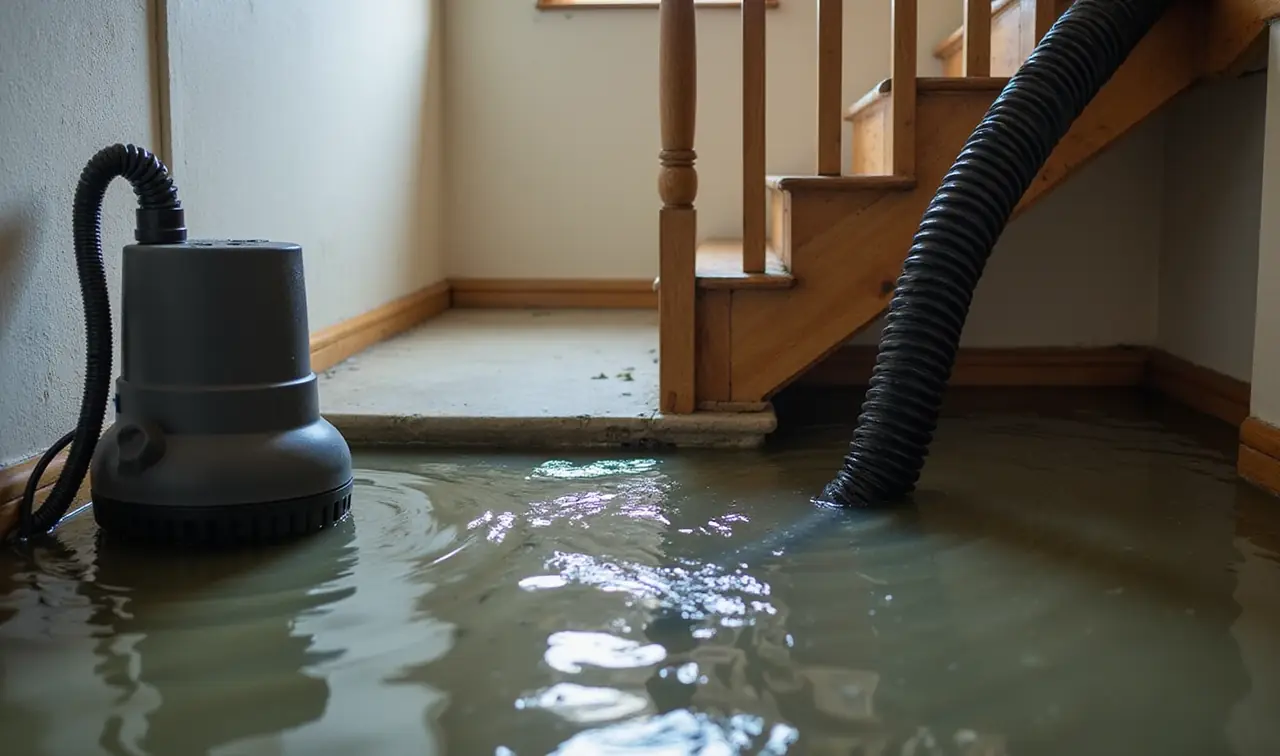
Standing water pumping
Submersible pumps remove deep water from basements, garages and ground floors. Pumps run until water drops below about a quarter inch, then wet vacuums finish the job on remaining surfaces.
Call now to speak to a specialist
Call (385) 481-3042A standard extraction job covers removing liquid water and finding where moisture went. Repairs, rebuilding and mold work are separate stages that follow if needed, handled by the restoration company you are connected with.
Submersible pumps remove deep water from basements, garages and ground floors. Pumps run until water drops below about a quarter inch, then wet vacuums finish the job on remaining surfaces.
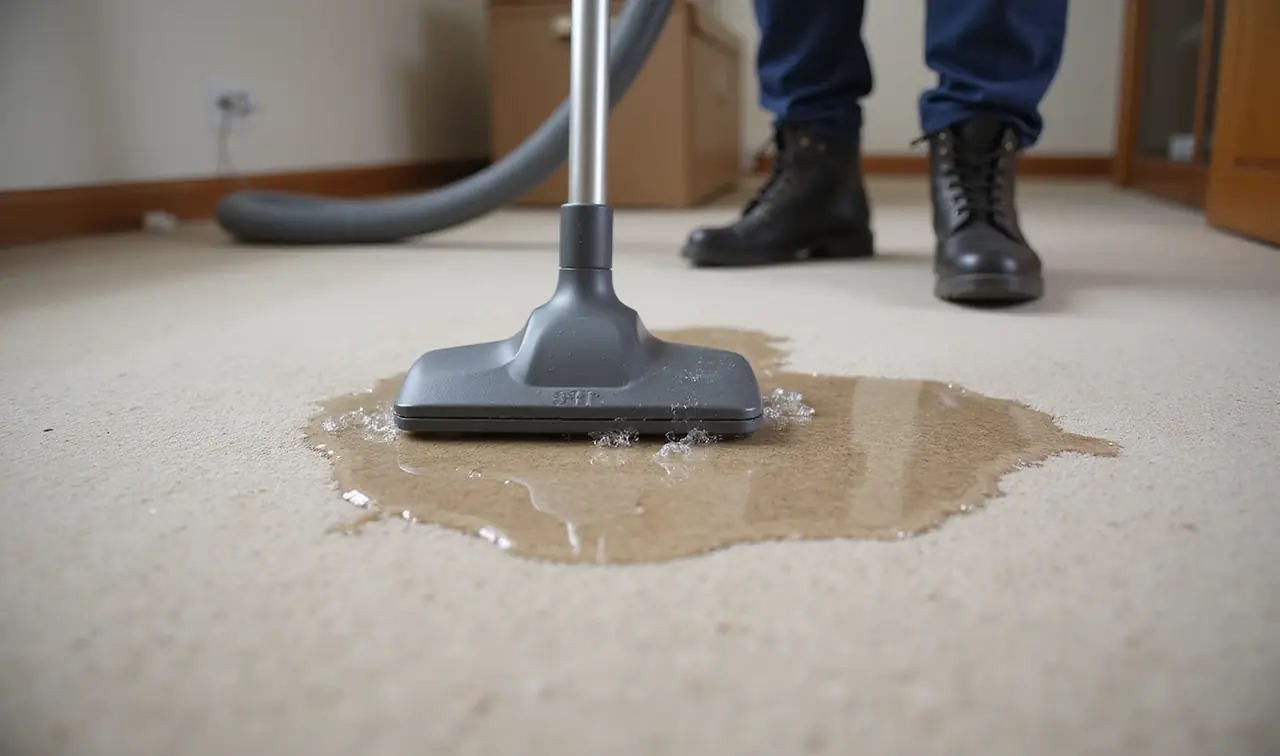
Weighted extraction wands press water from carpet and pad. Clean-water carpet can sometimes stay, while padding is often lifted and replaced because it holds water and dries slowly.
Tile, vinyl and sealed wood are squeegeed and vacuumed, with extra attention at seams and under baseboards where water collects and tends to seep into the subfloor.
Moisture meters and thermal cameras locate hidden dampness in walls, under cabinets and in subfloors, so equipment is placed where wet material actually is.
Once the liquid is out, air movers and dehumidifiers take over, with daily readings until materials reach their normal dry range, usually in 3 to 5 days.
Water Extraction in Layton is the removal of standing and saturated water from floors, carpet, padding and low spaces so drying equipment can work on what is left. A restoration crew starts with submersible pumps for anything deeper than about an inch, then switches to truck-mounted or portable wet vacuums for carpet, tile and hardwood. Extraction comes first because a dehumidifier can only pull vapor from the air. It cannot remove a gallon of liquid sitting in a carpet pad.
Layton homes meet this problem most often in November through February. A pipe in an exterior wall or an unheated garage freezes overnight, splits, and thaws into a flood by afternoon. Central Layton houses built in the 1970s to 1990s often have supply lines along cold north walls, and many have finished basements below. Standing water removal in Layton is time sensitive, since carpet padding can wick moisture up drywall within a day.
Call (385) 481-3042 and we connect you with an independent local restoration company. What follows is how a typical extraction job goes, so you know what to expect in your home.
Call
Call (385) 481-3042 and say what happened, where you are and whether the water has stopped.
Get connected
We connect you with an independent local restoration company that serves your area.
The work
The company you are connected with inspects, explains scope and timing, and does the work with you directly.
Keep records
Ask the company for moisture readings and photos so you have a record for your insurer.
Submersible pumps
Electric pumps that sit in standing water and move it out through a hose, used for depths of an inch or more in basements and ground floors.
Truck-mounted extractors
High-powered vacuum units that pull large volumes of water from carpet and pad, much faster than portable machines.
Weighted extraction wands
Wands that press carpet down while vacuuming, forcing water out of pad and backing instead of just skimming the surface.
Moisture meters and thermal cameras
Meters give a percentage reading in wood and drywall, while thermal cameras reveal cooler wet areas behind surfaces.
IICRC S500 water categories
Water is classed as Category 1, 2 or 3 based on contamination, and that classification decides how it is removed and which materials can be dried or must be discarded.
Staged extraction
Deep water is pumped first, then carpet and pad are vacuumed in overlapping passes, then hard surfaces are squeegeed. Working in stages prevents leftover pockets of water.
Documented moisture mapping
Readings are recorded at set points on day one and each following day, so the end of drying is measured and not guessed.
01
What we do: Shut off the main, then call (385) 481-3042. The connected restoration company pumps the floor, extracts the carpet in adjoining rooms and sets drying equipment.
→ Water is removed within the first day, limiting damage to flooring and cabinet bases and keeping mold from starting.
02
What we do: The crew vacuums the hallway carpet, checks the bathroom subfloor with a moisture meter and recommends what the landlord and insurer should be told.
→ The spread is stopped at the hallway and the report gives the renter clear documentation to share.
03
What we do: Submersible pumps clear the room, wet vacuums handle the rest and the crew documents moisture levels before drying begins.
→ The finished basement is dried in several days and stored items are saved by being moved early.
Water extraction in Layton is shaped by weather and by the age of the housing. Winters bring hard freezes, and pipes in exterior walls, garages and crawl spaces split when temperatures drop. Because it is November, freeze season is the main driver of calls right now. Central Layton has many 1970s to 1990s homes with finished basements, where water collects and carpet can hold gallons. Newer subdivisions on the west side usually have sealed foundations, but sump pumps still fail during snowmelt. Spring runoff from the foothills and Kays Creek can raise groundwater, so basements near the creek and in East Layton are more prone to seepage. Canyon wind events can also pull off flashing and drive water into attics. A restoration pro working here plans for cold work areas, heating the structure so drying equipment can run. Emergency water extraction in Layton is often a race against cold, since frozen wet materials do not dry until the building is warmed.
East Layton
Foothill benches mean sloped lots and window wells that can fill with snowmelt and push water into finished basements.
Central Layton near Layton Hills Mall
Older 1970s to 1990s homes with supply lines in exterior walls and finished basements that hold water.
Neighborhoods near Hill Air Force Base
Many rentals and military households, so clear moisture documentation is useful for landlords and insurers.
Kays Creek corridor
Spring runoff raises groundwater, so basements here may see seepage and need longer drying.
Hard winter freezes crack pipes in exterior walls and garages
A split line can release many gallons before anyone notices, and the water often arrives when the house warms. Extraction then needs a heated work space.
Spring snowmelt raises groundwater along the foothills
Basements may take on water repeatedly over a few days, so pumps may need to run longer and moisture checks continue after the first pass.
Most extraction calls in Layton come from a handful of causes. Each one has a predictable pattern, and each gets worse if the water is left to settle into materials. Here are the ones that come up most.
Problem
Water soaks carpet and pad within hours, wicks into drywall, and can reach finished rooms below if the leak is on an upper floor.
Our Fix
Shut off the main valve, then call (385) 481-3042. The restoration crew pumps and vacuums standing water, extracts carpet and pad, and maps moisture to find hidden wet areas.
Problem
Groundwater can keep arriving, soaking carpet, stored boxes and the bottom of walls, and it may carry silt that stains and smells.
Our Fix
Crews use pumps sized for depth, remove water in stages so walls are not stressed, and check the sump system. Drying equipment follows once the floor is clear.
Problem
A 40 to 50 gallon tank can empty in a short time, spreading across flooring into nearby rooms and wicking into baseboards.
Our Fix
The water source is shut off, standing water is pumped and vacuumed, and moisture readings show how far it traveled. Baseboards are often pulled to dry the wall cavity.
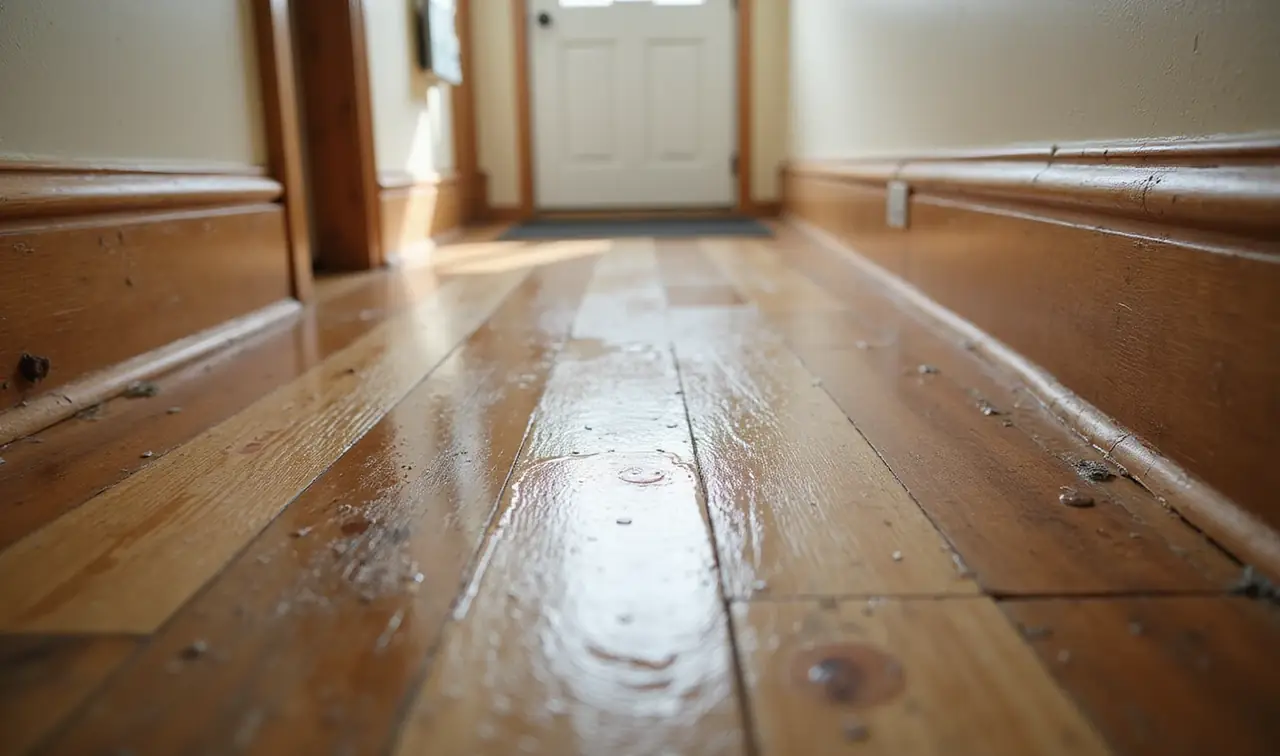
Every hour that water sits in a house, it travels further into materials that are expensive to replace. Pulling it out early keeps the job small, protects cabinets and flooring, and shortens the drying phase that follows.
Stops water spreading upward
Drywall acts like a wick. Water standing against a wall can climb several inches in a day. Removing the pooled water first stops that climb, which often means cutting out a flood cut of 2 feet instead of 4 feet, or none at all.
Saves carpet and hardwood
Clean-water carpet extracted early can sometimes be lifted and dried in place rather than thrown out. Hardwood that has water pulled off its surface quickly has a better chance of cupping less, which keeps replacement to a few boards instead of the whole room.
Cuts drying time
Drying equipment works against the moisture left behind. Less water means fewer air movers and dehumidifiers, and a drying phase closer to the 3 to 5 day norm rather than a week or more. That also means less noise in your home.
Lowers mold risk
Mold can start growing in 24 to 48 hours on damp organic material. Getting standing water out in the first day removes the wet conditions mold needs, and it is the single most useful step in limiting later mold remediation.
The cost of extraction in Layton depends on how much water there is and what it touched, and exact numbers come from the restoration company after they see the home. No fixed figure applies to every job, but a handful of factors reliably move the total up or down, and knowing them helps you compare what you are told on a call.
What changes the price
Square footage affected
More wet floor area means more labor, longer pump and vacuum time and more drying equipment. One room is a very different job from a whole basement.
Water category
Clean water from a supply line is simpler than gray or black water. Contaminated water needs protective gear, disposal of porous materials and disinfecting, which adds time.
Depth and duration
Several inches of water that has sat for days involves more pumping and more saturated material than a thin spill caught early.
Materials involved
Carpet, hardwood, laminate and drywall react differently. Salvageable materials cost less to handle than materials that must be removed and replaced.
Drying days
After extraction, equipment runs for a few days. More wet material, or cold conditions, means more days of air movers and dehumidifiers.
Good extraction follows an industry standard, not guesswork. The IICRC S500 water damage standard sets out how water is categorized, how materials are classed and how drying is documented. A restoration pro typically works from it, reading moisture content in percentages and humidity in grains per pound, so that the end of the job is measured rather than estimated. Knowing these terms also helps you ask the right questions on the phone.
Real answers to the questions we hear most often from local homeowners and property managers.
Extraction is the first stage when a whole level is flooded. Flood cleanup adds debris removal, sanitizing and removal of ruined materials once the water is out, covering the cleanup work after the pumping is done.
View Flood CleanupIf extraction is delayed past 48 hours, mold may start on drywall and trim. Mold remediation follows with containment and HEPA filtration. Early water removal is the most reliable way to avoid needing it.
View Mold RemediationBelow-grade water in Layton often comes from sump failure or groundwater. Basement jobs need pumps sized for depth and careful power shutoff, and extraction leads into wall and carpet drying.
View Basement Flood CleanupThe first hour after a leak is about safety, shutting off water and power, and calling for help. Emergency water damage covers that checklist, with extraction as the first professional step.
View Emergency Water DamageFreeze season is the main cause of extraction calls in Layton. A burst pipe floods fast, and extraction paired with drying is the standard response once the line is shut off.
View Burst Pipe Water DamageCrawl spaces trap water under floors where it is hard to see. Extraction there uses compact pumps and is followed by drying so joists and insulation do not stay damp.
View Crawl Space Water RemovalThe fastest way to reach us is by phone. Call (385) 481-3042, describe the water problem, and we connect you with an independent local restoration company serving Layton, Utah and nearby Davis County towns. Water Cleanup Layton is a referral line, so there is no email or walk-in office.
No forms to fill in. Call (385) 481-3042, tell us what happened and where the water is, and we connect you with an independent local restoration company serving Layton and nearby towns.
Call (385) 481-3042