Antelope Island State Park causeway
The long road to Antelope Island begins at the west end of Syracuse. Most residents know it well, so it works as a general reference for the lake side of town.
Call now to speak to a specialist
Call (385) 481-3042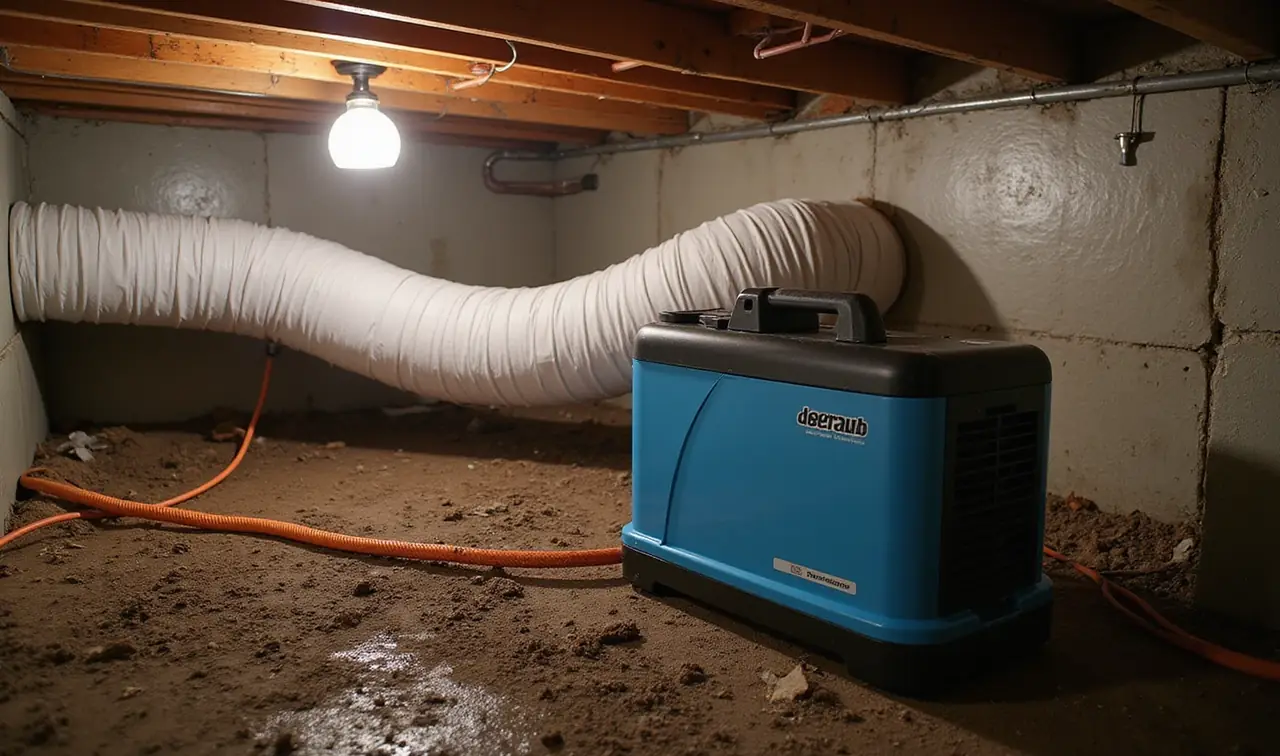
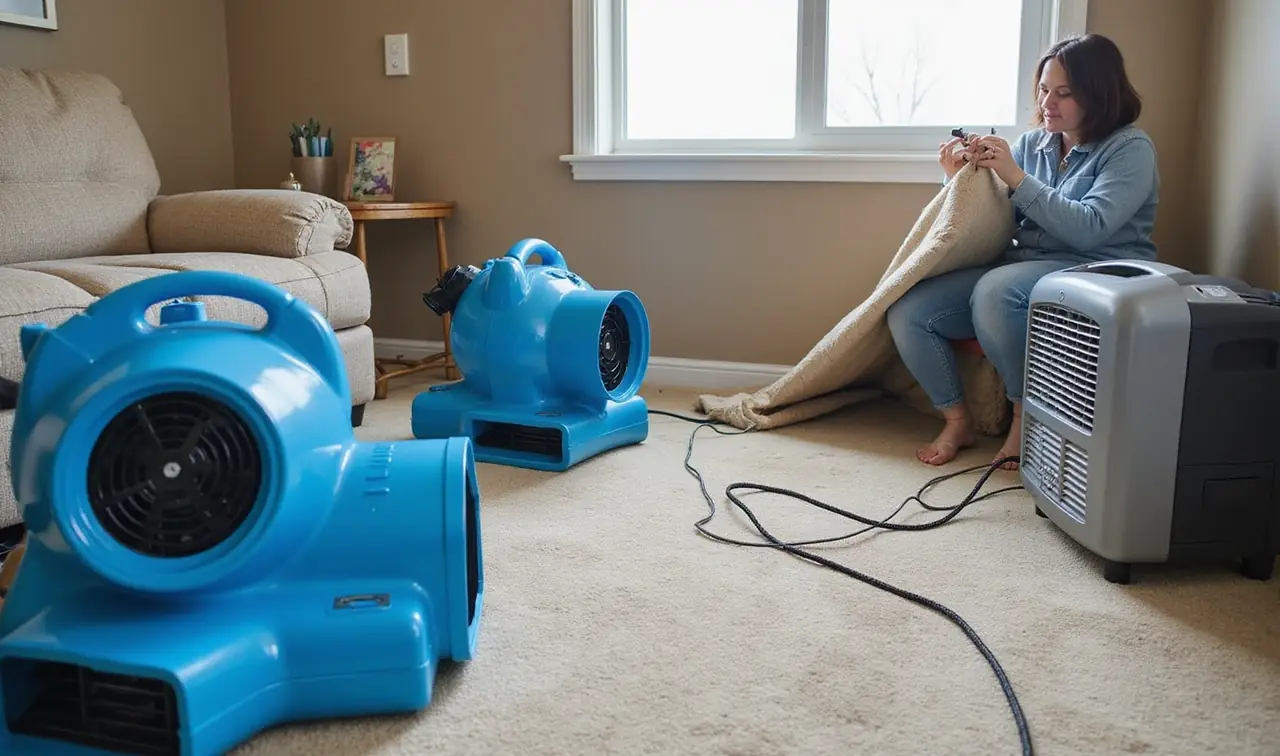
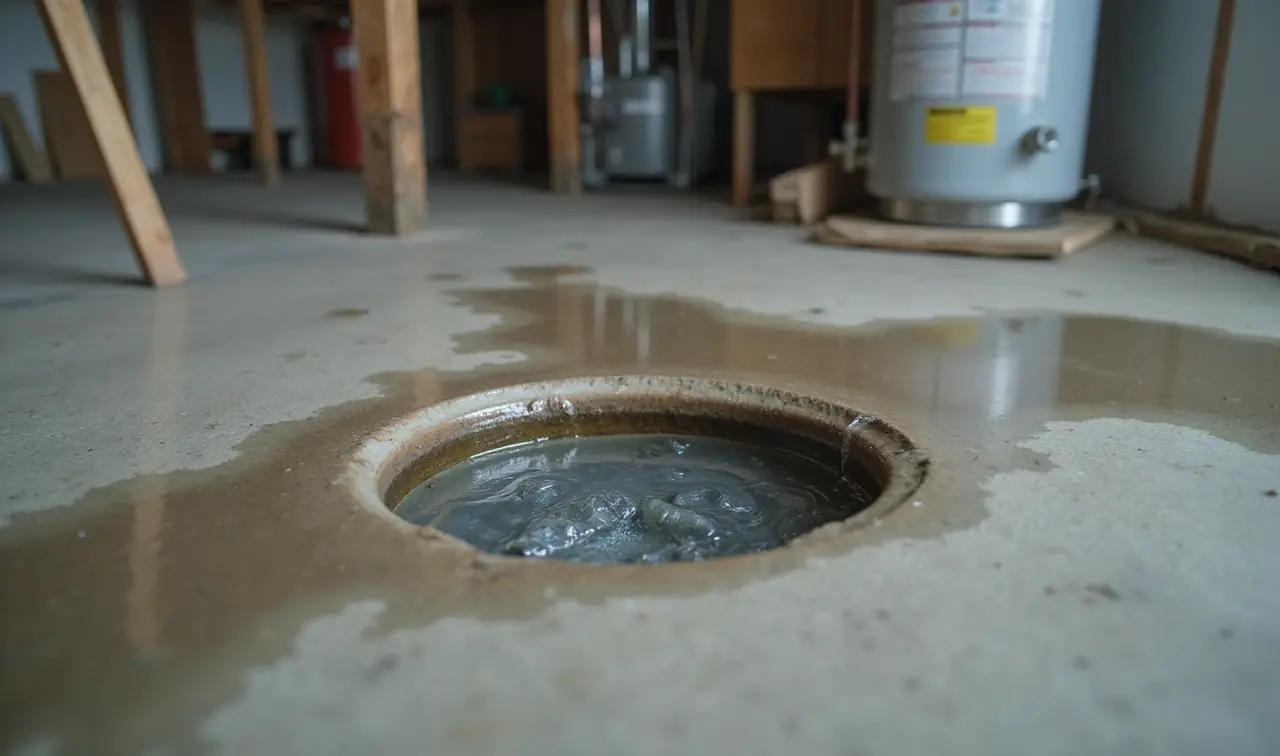
Water Damage Restoration in Syracuse is the professional process of removing water, drying framing and flooring, and preventing mold that a homeowner needs after a burst pipe, appliance failure, basement flood, or sewer backup. Syracuse, UT is the western edge of Davis County, a fast-growing city of newer subdivisions on flat ground toward the Great Salt Lake. That setting shapes the calls. Newer homes tend to have finished basements, upstairs laundry and bathrooms, and long runs of plumbing that can leak into the floor below. Closer to the lake, groundwater tends to sit nearer the surface, so sump pumps work harder than they do on the foothill side of the county. When you call (385) 481-3042, we connect you with an independent restoration company that serves Syracuse and the surrounding Davis County towns. Industry practice under the IICRC S500 standard is to stop the source, extract standing water, and dry the structure with air movers and dehumidifiers until moisture readings are normal. If you are looking for water cleanup services Syracuse residents rely on, that sequence is what a good job looks like.
Water damage restoration demand in Syracuse follows its building stock and its flat, lake-adjacent ground. Newer two-story homes bring upstairs fixture leaks and finished basements, while the high water table brings seepage and sump pump failures. If you need a flooded basement cleanup in Syracuse or emergency water extraction after a pipe failure, the nine services below cover what homeowners face here. Each is handled by the independent restoration company you reach at (385) 481-3042 and follows the same sequence: stop the source, remove water, dry the structure, and check for mold.
Syracuse water damage patterns come from flat, lake-adjacent ground, newer two-story construction, and finished basements. The four problems below are the ones that repeat, and each has a standard approach that a local restoration pro follows when water damage restoration in Syracuse is needed. Catching them early keeps the drying job small and limits how much drywall and flooring come out.
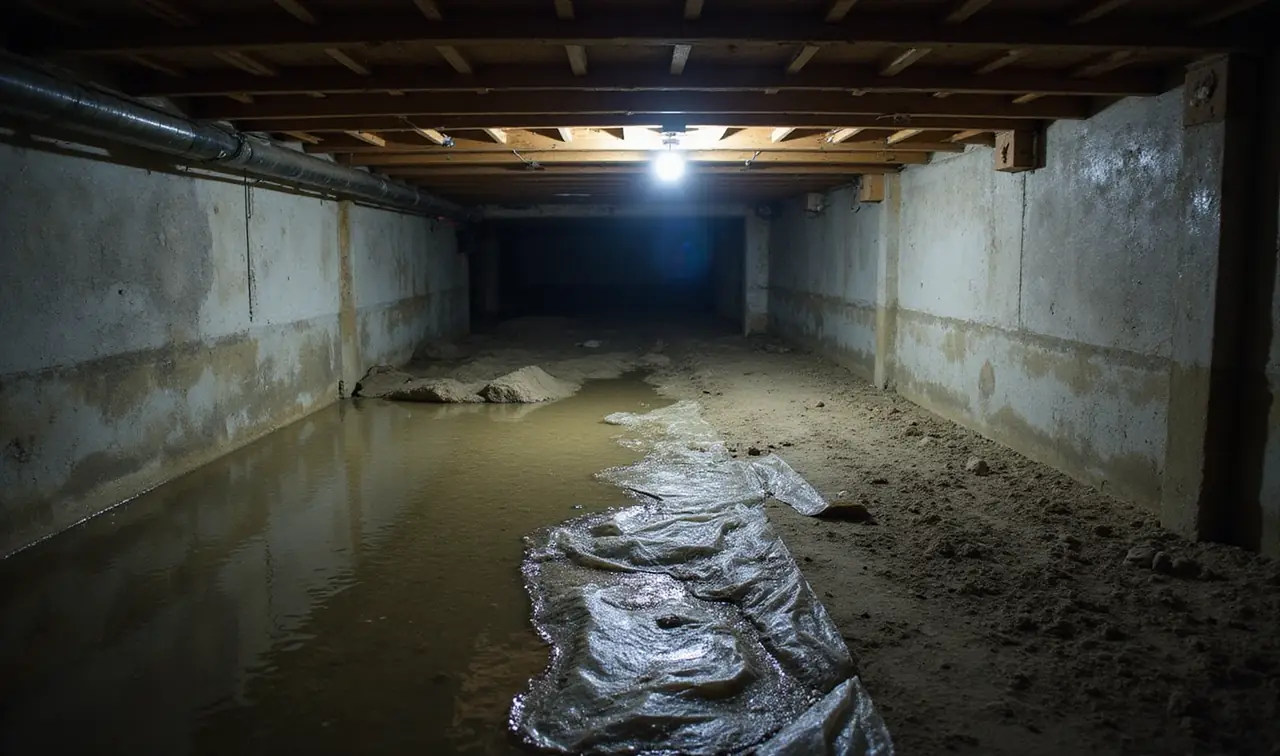
Flat ground close to the Great Salt Lake means a higher water table, especially after spring melt or heavy rain. Pumps run constantly, and a power outage or stuck float can leave the pit to overflow.
Newer homes stack bathrooms and laundry rooms over living space. A hose or fitting that fails sends water through the subfloor and into the cavity below, where it spreads before a stain shows.
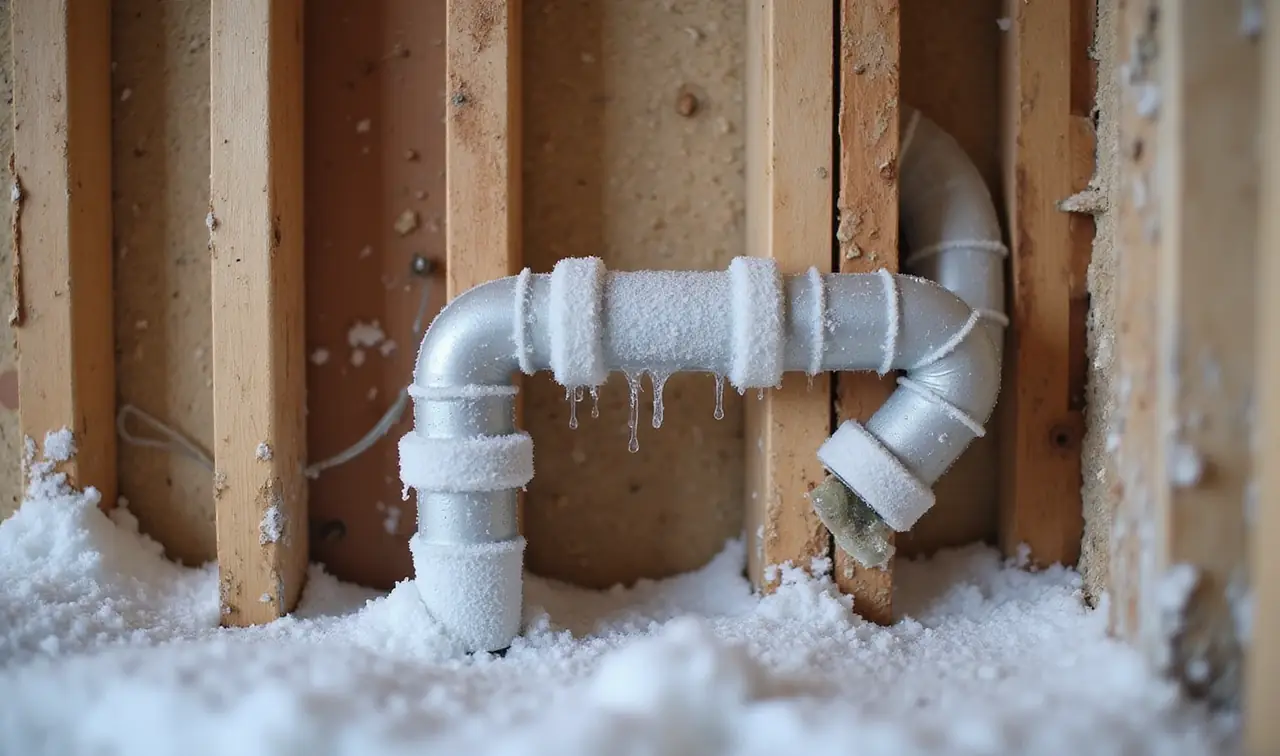
A hose left connected holds water in the spigot, and ice splits the line inside the wall. Garage lines in exterior walls freeze when lows stay well below freezing for several nights.
A blockage in the main line sends wastewater up through the lowest drain, often in a basement bathroom. That water is Category 3, which carries bacteria and requires removal of porous materials.
Water damage in Syracuse often hides in the places newer homes tuck away: ceilings beneath bathrooms, basement corners, and the wall behind a washing machine. If you notice any of the signs below, a flooded basement cleanup in Syracuse or a drying visit is worth a call, because wet drywall and wood can grow mold within 24 to 48 hours. Waiting rarely makes a wet structure dry on its own.
A ceiling that sags or stains below a bathroom or laundry
Water from an upstairs fixture collects in the ceiling cavity before it shows. A stain or sag means drywall is already holding water, and it often needs to be opened so the cavity can be dried.
Damp carpet or a musty smell in a finished basement
Seepage along the wall or a slow pipe leak can soak carpet pad without standing water. A musty smell means moisture is trapped, and mold can begin 24 to 48 hours after materials get wet.
A sump pump that runs constantly or stops running
A pump that never shuts off means water is entering fast, and one that stays silent during a wet spell may have failed. Either one puts the basement at risk, so it needs to be checked right away.
Water on the garage floor after a cold night
A thawing pipe in a garage wall or at a spigot can release water in the morning. Even a small puddle may mean a split line behind drywall that is still leaking or about to.
A water bill that rises with no change in use
A hidden leak in a wall, under the slab, or in a sprinkler line often shows on the bill first. Moisture meters and thermal imaging can find the wet area without tearing out every wall.
Water damage restoration pricing in Syracuse in 2026 follows the size and type of the loss, not the zip code. Square footage of wet material, water category, how many floors were affected, and how many days of drying are needed are the biggest inputs. A single-room leak on tile dries faster than a two-story loss where water dropped from an upstairs bathroom into a finished basement. A groundwater seepage job may need longer equipment runs, and a sewage backup adds removal of porous material. When you call (385) 481-3042, describe how many floors and rooms are wet, and ask the restoration company you are connected with how it prices the job.
Syracuse is easy to describe from its location. The city is west of I-15, the Great Salt Lake lies to the west, and Antelope Drive leads out toward the Antelope Island causeway. When you call, saying you are near Antelope Drive or the lake side of the city, plus a cross street, helps the crew find your home. Subdivision streets are wide and mostly on a grid. These places are named for orientation only.
The long road to Antelope Island begins at the west end of Syracuse. Most residents know it well, so it works as a general reference for the lake side of town.
The lake marks the western edge of the area. Saying you live on the lake side of Syracuse tells a crew roughly which part of the flat west side to head for.
The main route through Syracuse connecting the city to I-15 and to the causeway road. Giving the nearest cross street on it is a quick way to place your address.
A city park and nature area in Syracuse that many residents know by name, useful as an orientation point when describing nearby residential streets.
Plus surrounding Davis County neighborhoods. Call to check your address.
Syracuse's flat ground and lake-side location give each season a different water risk. Winter is the focus right now, with hard freezes and wind, and spring brings melt and a higher water table. Summer thunderstorms and sprinkler problems follow, and fall is the time to prevent the next freeze. If you are searching for burst pipe water damage cleanup in Syracuse, the next few months are the season you are in, and a quick call keeps the damage from spreading.
Snowmelt and spring rain raise groundwater on Syracuse's flat west side. Sump pumps run for long stretches, and finished basements are the first to show seepage along walls and in corners.
Tip: Test your sump pump and battery backup if you have one, clear window wells, and make sure downspouts discharge well away from the foundation.
Thunderstorms can drop heavy rain quickly, and sprinkler valves and lines can break and soak foundations. Heat and humidity make mold grow faster in any damp area.
Tip: Check the yard for soggy spots next to the house, and keep basement humidity below 60 percent with a dehumidifier.
Hoses left connected and sprinkler lines left full are the usual cause of split pipes once the first freeze hits in October or November. Gutters clogged with leaves send water down walls.
Tip: Blow out sprinkler lines, disconnect hoses, drain exterior spigots, and clear gutters before the first hard freeze.
Hard freezes split lines in garages, exterior walls, and hose spigots. Wind events can damage roofs, and thaw cycles let ice dams push water under shingles into attics.
Tip: Keep indoor heat at 55 degrees F or higher when away, open cabinet doors on cold nights, and know where your main shutoff is.
Syracuse is the western end of our service area, but the same call line covers the towns around it, all reached by Davis County's road grid. If a family member in Kaysville or Centerville has a leak, they dial the number you do, (385) 481-3042. Each town below has its own page with details on the kind of water damage common there.
(City)
Kaysville lies south-east of Syracuse along I-15, with older Main Street homes and foothill bench basements.
View Kaysville(City)
Clearfield is Syracuse's direct neighbor to the east along Antelope Drive, next to Hill Air Force Base and the Freeport Center.
View Clearfield(City)
Centerville is a longer drive south of Syracuse, past Farmington, on the east bench below the Wasatch foothills.
View Centerville(City)
Farmington lies south of Kaysville on I-15, home to Lagoon and Station Park, and part of the same Davis County service area.
View FarmingtonStraight answers to the questions people ask before they call.
Water on the floor in Syracuse is a clock, because mold can begin in 24 to 48 hours. Call (385) 481-3042 and we connect you with an independent local restoration company serving Syracuse and the rest of Davis County. Tell them what happened, where the water came from, and which floors are wet. Shut off the water at the main if you can, and keep power off in wet areas until it is safe.
The fastest way to reach us is by phone. Call (385) 481-3042, describe the water problem, and we connect you with an independent local restoration company serving Layton, Utah and nearby Davis County towns. Water Cleanup Layton is a referral line, so there is no email or walk-in office.
No forms to fill in. Call (385) 481-3042, tell us what happened and where the water is, and we connect you with an independent local restoration company serving Layton and nearby towns.
Call (385) 481-3042