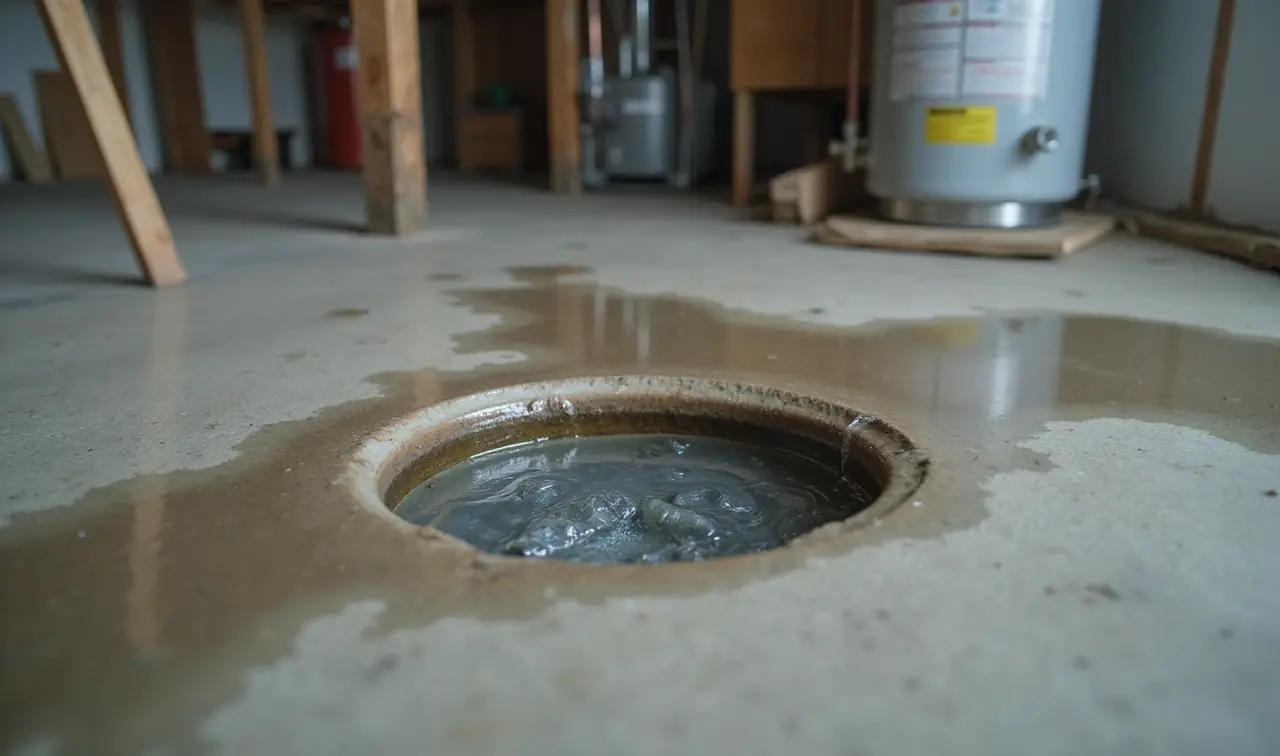
Contaminated Water Extraction
Pumps and extractors remove sewage water from floors and low spots. Crews wear protective gear and dispose of the water through proper channels, not into the yard or storm drain.
Call now to speak to a specialist
Call (385) 481-3042Sewage cleanup covers the contaminated area from water removal through cleaning and drying. The restoration company you are connected with decides the exact scope after seeing how far the water traveled. Plumbing repairs to the sewer line are a separate trade.
Pumps and extractors remove sewage water from floors and low spots. Crews wear protective gear and dispose of the water through proper channels, not into the yard or storm drain.
Carpet, pad, insulation and drywall that were soaked are cut out, double-bagged and removed. Drywall is often cut well above the visible water line to catch wicking.
Concrete, tile and framing are cleaned of visible residue, then treated with an EPA-registered antimicrobial. The product label sets the contact time that surfaces must stay wet.
Air movers and dehumidifiers dry the area, and odor sources are removed rather than covered. Moisture readings confirm the structure is dry before rebuild starts.
Sewage Cleanup in Layton is a specialized water damage service that removes contaminated water and affected materials after a toilet, drain or sewer line backs up, and treats the area as a health hazard under the IICRC S500 Category 3 definition. Category 3 means grossly contaminated water that can contain bacteria such as E. coli, along with viruses and parasites. The work uses personal protective equipment, containment, removal of porous materials like carpet and drywall, and cleaning with antimicrobial products. It is a different job from drying a clean pipe leak, because contaminated materials usually have to leave the house, not be dried in place.
Backups happen in Layton homes for a few common reasons: a blocked or root-invaded lateral line, an overloaded municipal main during a storm, a collapsed pipe, or a failed sewer check valve. Basements are the usual victims, because they sit lowest and floor drains and toilets there receive the backflow first. Homes built in the 1970s through 1990s often have older clay or cast iron laterals that crack or shift. Sewage cleanup in Layton also comes up after a toilet overflow on an upper floor, when contaminated water travels through the ceiling below.
Sewage work follows a strict order because the biggest risk is people and tools spreading contamination. Here is what happens once you call and are connected with a local crew, from the first safety steps to final cleaning.
Call
Call (385) 481-3042 and say what happened, where you are and whether the water has stopped.
Get connected
We connect you with an independent local restoration company that serves your area.
The work
The company you are connected with inspects, explains scope and timing, and does the work with you directly.
Keep records
Ask the company for moisture readings and photos so you have a record for your insurer.
Respirators and protective suits
Disposable suits, rubber boots, gloves, eye protection and respirators protect crews from biological hazards and keep contamination off clothing.
Submersible and trash pumps
Move large volumes of contaminated water, including water carrying solids, out of basements and low areas without clogging.
EPA-registered antimicrobials
Applied to cleaned hard surfaces and framing, with the label's contact time observed so the product has time to work.
Plastic containment and negative air
Barriers and filtered air machines keep contaminated dust and splashes from reaching clean rooms during removal and cleaning.
IICRC S500 Category 3 protocol
Sewage is treated as grossly contaminated. Porous materials that touched it are removed, hard materials are cleaned and treated, and the area is dried and verified before rebuild.
Clean-to-dirty work order
Crews work from clean areas toward the contaminated area, and tools and bags leave through a defined path. This keeps contamination from being carried into rooms that were not affected.
Bag and remove
Contaminated debris is double-bagged and carried out directly, not dragged through the home. Careful handling keeps the cleanup from becoming a bigger contamination problem.
01
What we do: The crew pumps out the contaminated water, removes the carpet and pad, cuts out wet drywall, and cleans the slab with antimicrobial treatment. A plumber checks the lateral line for blockage or damage.
→ The basement is cleaned, dried and ready for rebuild, and the cause of the backup is identified.
02
What we do: The crew removes the stained ceiling drywall and wet insulation, cleans the framing and treats it, then dries both floors. The subfloor around the toilet is checked with a moisture meter.
→ Contamination is removed from the ceiling cavity, and the kitchen is cleared for repair.
03
What we do: Crews contain the area, extract water, remove affected flooring and baseboards, and clean the subfloor. A plumber clears the root blockage before the area is dried and cleared.
→ The hallway and bathroom are cleaned and dried, and the owner has records for insurance and for the rental.
Sewage cleanup in Layton is shaped by the city's housing and the way water moves through it. Many homes from the 1970s through the 1990s sit on older sewer laterals made of clay or cast iron, which can crack, shift or be invaded by tree roots. Basements are common, and basement floor drains and toilets are the lowest points in the plumbing system, so backups tend to surface there. Heavy spring rain and snowmelt off the foothills can load the system, and cold winters can stress buried lines. Layton also has many renters and military families near Hill Air Force Base, where a backup found after a few days away has had time to spread. In a typical sewage cleanup in Layton, the crew works outward from the source, removes porous materials, cleans the hard surfaces and dries the area before anyone moves back in. The plumber clearing or repairing the lateral line is a separate step, and it is worth having the line inspected so the backup does not return.
Central Layton
Older homes with clay or cast iron laterals and finished basements make floor drain backups a recurring concern.
East Layton
Foothill homes deal with spring snowmelt and runoff, which can add load to drainage and expose weak lines.
Near Hill Air Force Base
Rentals and homes empty during travel or deployments can have backups that run for days before anyone arrives.
Heavy rain and snowmelt that overload sewer lines
When the main line is overloaded, wastewater can back up into low drains. Basement floor drains and toilets are the first to show it.
Aging laterals and tree root intrusion
Roots and cracked clay or cast iron pipe slow drainage until a blockage forces sewage back into the home, often at a low fixture.
A sewage backup creates problems that go beyond a wet floor. These are the situations Layton homeowners face most, and how proper cleanup handles each one.
Problem
Contaminated water soaks carpet, drywall and stored items, and exposes anyone in the house to bacteria. The smell spreads through the home within hours.
Our Fix
The crew extracts the water, removes porous materials that touched it, and cleans and treats hard surfaces. The area is kept contained so contamination does not travel upstairs on shoes or equipment.
Problem
Contaminated water in a ceiling cavity soaks insulation and drywall that you cannot see. It can drip for days and leave a lingering odor.
Our Fix
Crews remove the affected ceiling drywall and insulation, clean the framing, and dry the cavity. The floor above is checked, since water also soaks the subfloor around the toilet.
Problem
Guessing can spread contamination to clean areas or leave hidden pathogens behind. Mixing household chemicals can also create dangerous fumes.
Our Fix
A crew classifies the water, marks what must be removed, and cleans the rest to the S500 standard. You get clear guidance on what to leave alone and what can be saved, such as sealed hard surfaces.
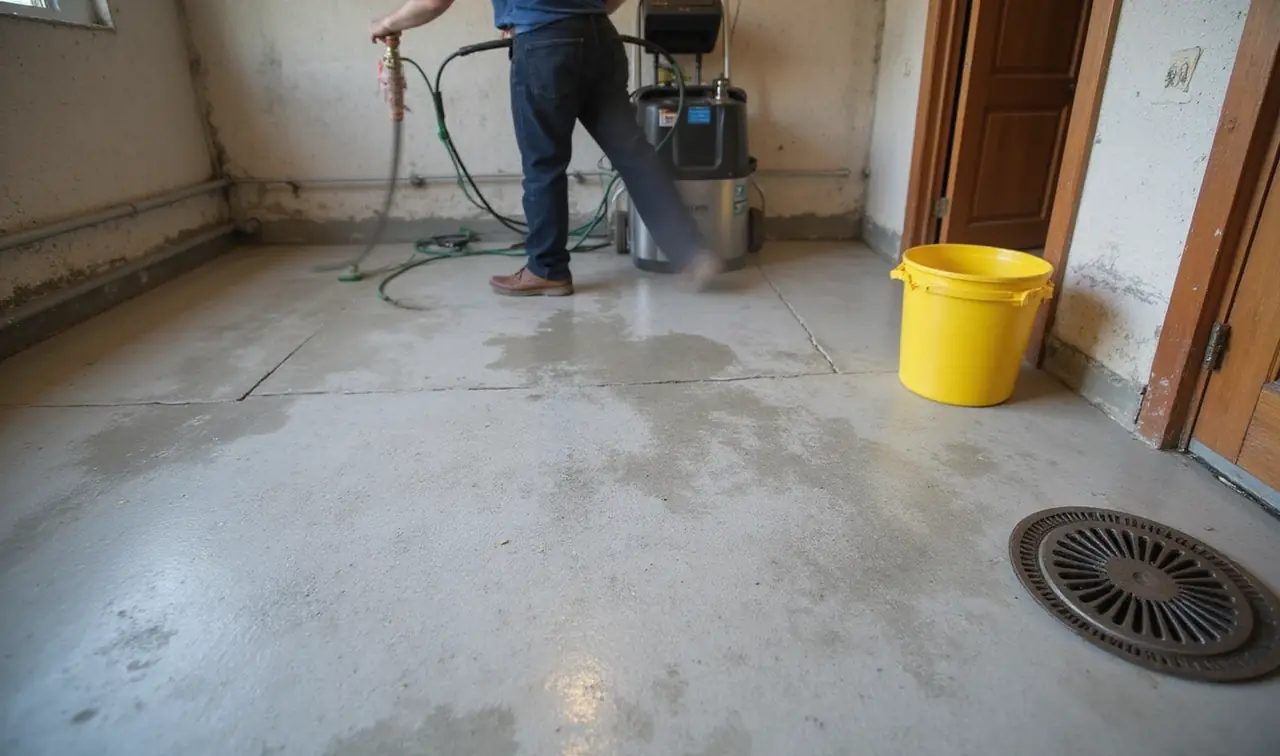
The goal of sewage cleanup is a home that is safe to live in again, not only dry. That takes protective gear, correct material removal and cleaning that matches the contamination level. These are the outcomes a proper job aims for.
Protects Your Family's Health
Sewage can carry bacteria, viruses and parasites that cause stomach illness and infections. Removing contaminated water and materials quickly, and keeping children, pets and anyone with a weak immune system out, lowers exposure risk.
Removes the Right Materials
Porous materials such as carpet, pad, insulation and drywall that touched Category 3 water generally cannot be cleaned and are removed. Taking them out stops contamination from lingering inside walls and under floors.
Controls Odor at the Source
A sewage smell does not go away until the contaminated material is gone. Removing wet drywall, pad and debris, then cleaning hard surfaces, addresses the cause instead of covering up the odor with air fresheners.
Keeps Contamination Contained
Crews use plastic sheeting and negative air in larger jobs so contaminated dust and splashes do not move into clean rooms. Containment protects the rest of the house while the affected area is being worked on.
The cost of sewage cleanup in Layton depends on how far the contaminated water spread and how many materials must be removed. We do not list dollar figures on this page, because every backup is different. The restoration company you are connected with prices the job after seeing the affected area. These are the factors that move the total.
What changes the price
Area affected
More square footage means more extraction, more material removal and more drying equipment. A single bathroom is a smaller job than a basement and hallway together.
Materials contaminated
Carpet, pad, drywall and insulation that touched sewage are removed. The more porous material involved, the more labor, disposal and rebuild work follows.
Protective requirements
Category 3 work needs protective suits, respirators, containment and careful disposal. These safety steps are part of the cost of doing the job correctly.
Drying and odor control
Equipment typically runs three to five days. Deep odors or saturated subfloors can extend that time.
Cause of the backup
A sewer line problem needs a plumber, and that work is separate. Fixing the cause keeps the cleanup from being repeated.
Sewage work is held to a higher standard than clean water jobs because the health risk is real. The IICRC S500 water damage standard treats sewage as Category 3, which assumes the water contains pathogens. That label changes the protective gear, the materials that must be removed and how cleaning is done. Knowing it helps you understand what the crew you are connected with should be doing and why.
Real answers to the questions we hear most often from local homeowners and property managers.
Sewage cleanup starts with pumping out contaminated water, using the same equipment as clean-water jobs but with protective gear and careful disposal. Extraction removes the bulk before cleaning begins.
View Water ExtractionFloodwater from storms and overflowing creeks is often Category 3 because it picks up sewage and soil. Flood cleanup and sewage cleanup share many of the same safety steps.
View Flood CleanupMaterials left wet after a backup can grow mold within 24 to 48 hours. Mold remediation addresses growth after the contaminated materials have been removed and the area is cleaned.
View Mold RemediationBasements are where most Layton sewer backups show up, through floor drains and basement toilets. Basement flood cleanup covers the water, and sewage rules decide what must be removed.
View Basement Flood CleanupA backup is an emergency water event with a health risk added. The first steps, stopping use of water and keeping people out of the area, matter even more than in a clean-water leak.
View Emergency Water DamageClean pipe water and sewage are treated very differently. Burst pipe water damage usually starts as clean water, while a broken drain line is Category 3 from the start.
View Burst Pipe Water DamageThe fastest way to reach us is by phone. Call (385) 481-3042, describe the water problem, and we connect you with an independent local restoration company serving Layton, Utah and nearby Davis County towns. Water Cleanup Layton is a referral line, so there is no email or walk-in office.
No forms to fill in. Call (385) 481-3042, tell us what happened and where the water is, and we connect you with an independent local restoration company serving Layton and nearby towns.
Call (385) 481-3042